
daily challenge
Daily Drive: Why Seeded Football Challenges Are Replayable
How deterministic seeds create repeatable football situations that still feel fresh.
Written and product-reviewed by DRAWBALL · Published August 31, 2026 · Updated September 1, 2026
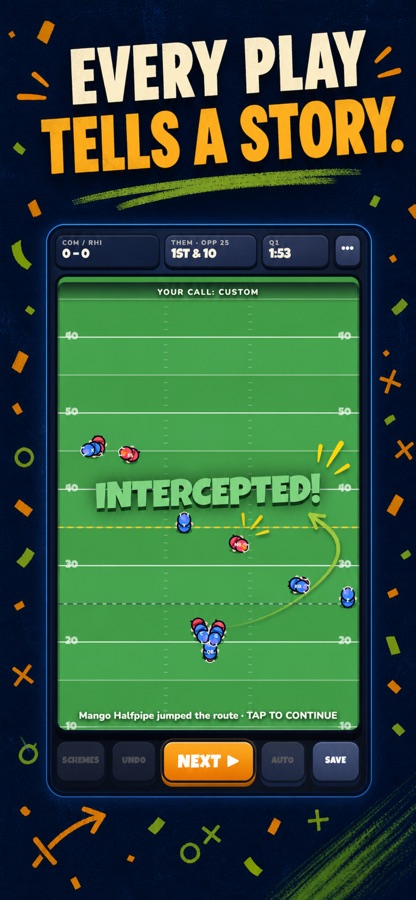
Same Setup, Different Ideas
A seeded challenge gives every player the same situation, but not the same solution. One coach might call mesh. Another might trust a power run.
Replay With Intent
Because the setup is repeatable, you can test a different route and see how the decision changes the result. That makes improvement visible.
Short Session Friendly
Daily challenges fit into a small break. One dramatic possession can deliver a complete football story without asking for a full game commitment.
Pre-Snap Checklist
Before using this idea, pause on the formation for one beat and connect it to the situation. Down and distance tell you how much risk is acceptable. Field position tells you whether a small gain is enough. The defensive shell tells you whether the first answer should attack space, timing, leverage, or pressure. For this daily challenge call, the useful checks are same setup, different ideas, replay with intent, and short session friendly. If all three point in the same direction, the play is probably worth snapping.
Practice Drill
Run the concept three times from different looks. First, call it against a normal defense and watch the first read. Second, call it against pressure and see whether the ball gets out in time. Third, change only one route or assignment and compare the result. That single-change test is the fastest way to learn DRAWBALL because it shows whether the improvement came from your drawing, the matchup, or the defense choosing a different answer.
What Success Looks Like
A successful DRAWBALL play usually looks obvious after it happens. The receiver has a clean window, the runner reaches the crease before pursuit, the blitz changes the quarterback's timing, or the coverage forces the ball somewhere safer. Use the result text as feedback, but trust the field first. If you can explain why the play worked, you can save it, name it, and build a repeatable custom playbook around it.
Common Mistake
The easiest mistake is drawing the idea you wanted before looking at what the defense is offering. In DRAWBALL, a beautiful route can still fail if it arrives late, runs into a defender, or asks a weaker player to win a bad matchup. Start by reading leverage, then draw. If the first version fails, keep the same intent and change the smallest useful thing: shorten the route, widen the release, add a blocker, or give the quarterback a safer outlet.
When to Save It
Save the play when it solves a real situation, not just when it produces one lucky highlight. A keeper play should have a clear purpose: beating pressure, converting short yardage, attacking the sideline, protecting a lead, or giving your best player a repeatable touch. Over time, those saved calls become more valuable than presets because they match your roster, your habits, and the moments you have already lived through on the field.
Next Snap Adjustment
After the whistle, make one decision before opening the next play: did the defense beat the design, or did the design ask too much from the player? If the defense guessed right, punish the space it left. If the player lost the matchup, move the route toward a better athlete or use motion, spacing, and timing to make the job easier. This habit turns every result, even a sack or pick, into useful information for the next call. The best coaches in DRAWBALL are not the ones who memorize the most plays; they are the ones who read the last snap and make the next drawing sharper. That keeps the game strategic, fast, and personal across a full season. It also makes losses useful because every failed call teaches a better path, safer read, or smarter setup for the next possession.
Try It in DRAWBALL
Open a drive, draw one clean first read, add one pressure answer, and press SNAP. The fastest way to learn is to let the next play tell you what changed.
Sources and Review Scope
This guide was reviewed against DRAWBALL 1.0 gameplay, the in-app tutorial, franchise rules, and the public support policy. It explains fictional game strategy, not real-team coaching doctrine.
Related Guides
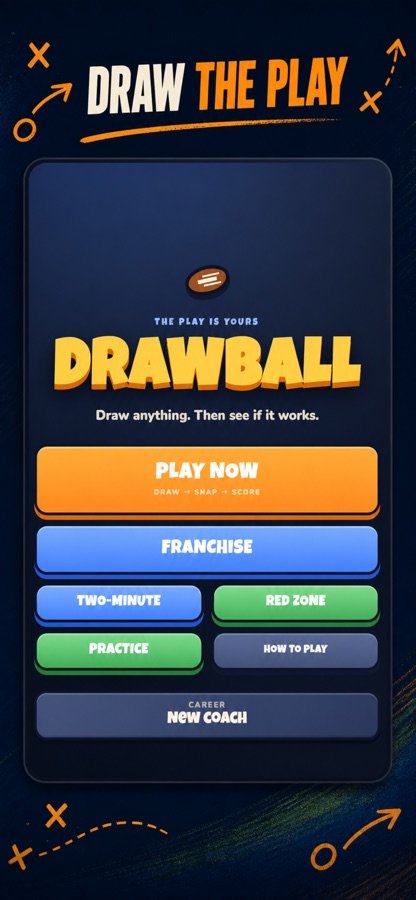 offline play
Why Offline Mobile Games Still Matter
DRAWBALL is designed to work offline so short football sessions are always available.
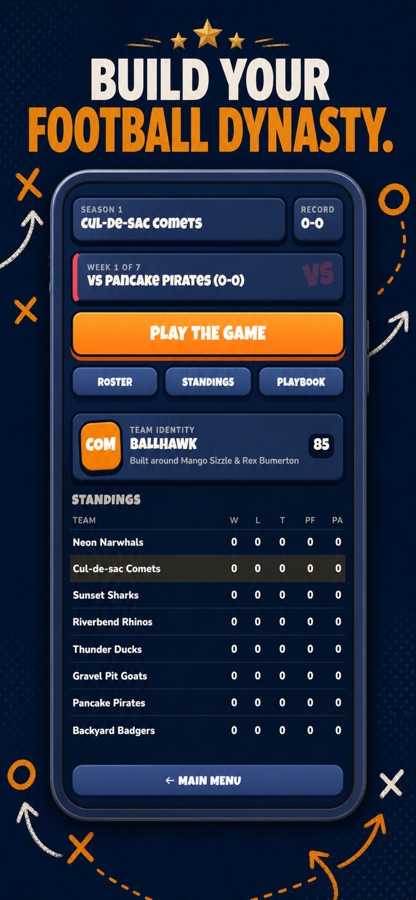 privacy
DRAWBALL Privacy: Offline-First Football
A plain-language explanation of DRAWBALL privacy, local saves, and optional Apple services.
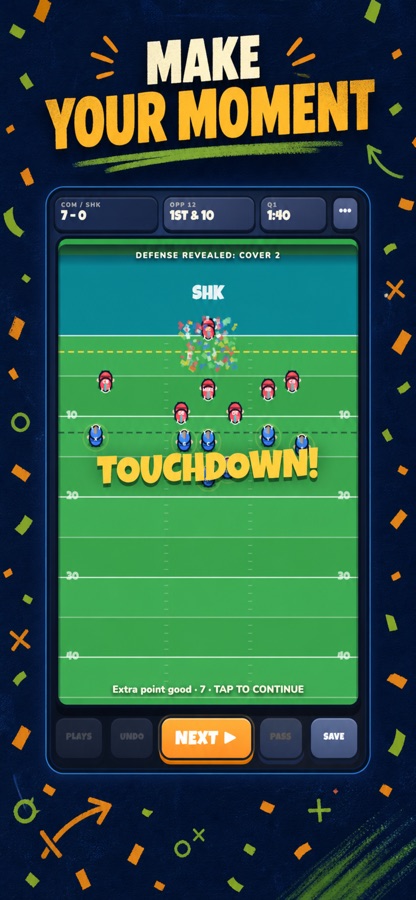 outside run
Outside Run Strategy: Winning the Edge in DRAWBALL
How to draw outside runs that use speed, leverage, and blockers to attack the sideline.